Key Takeaways:
💡 A.I. agents are fundamentally changing search behavior, with 62% of consumers now using A.I. assistants and the A.I. search market projected to reach $40 billion by 2025.
💡 Traditional SEO is declining as A.I. agents become intermediaries between users and search engines, leading to reduced website traffic and potentially threatening Google’s search dominance.
💡 AI Search Optimization (AISO) is emerging as the new frontier for digital marketing, offering a 2-year window of opportunity for businesses to adapt their strategies and remain competitive.
Introduction

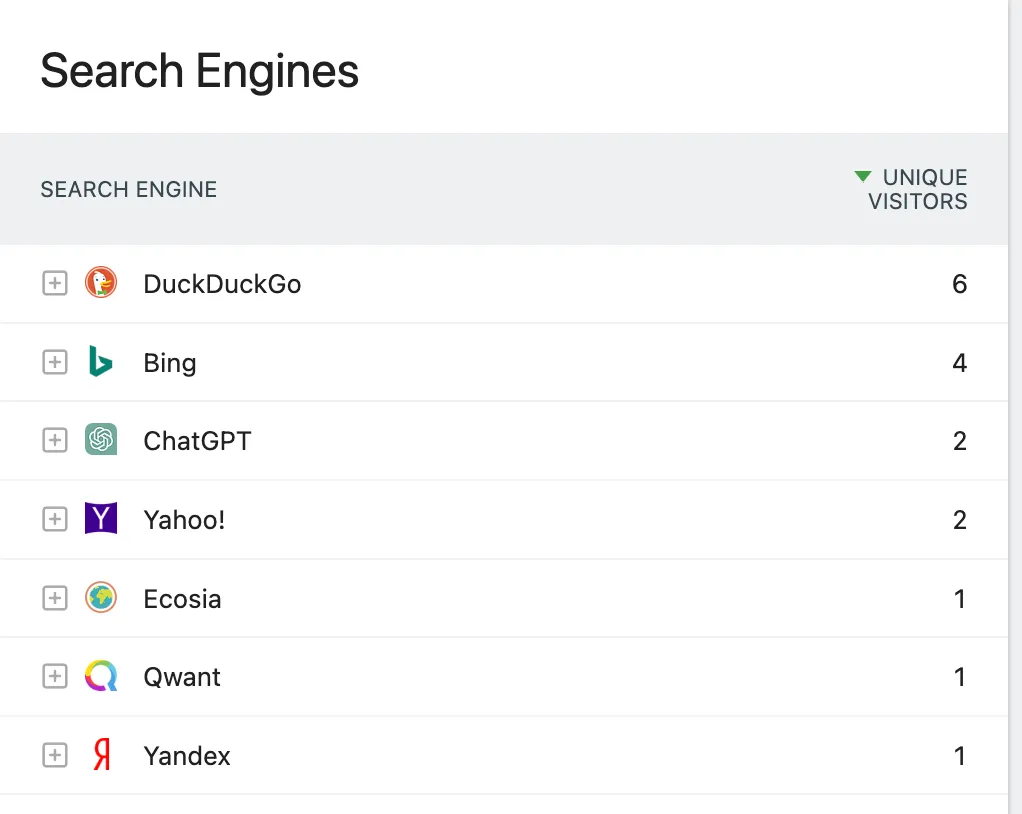
I’m seeing more and more of my traffic in matomo coming from chatGPT. Traffic from chatGPT usually only stays for 0 seconds. It comes, grabs the info and leaves. I’ve been talking to alot of entrepreneurs and the general consensus it hat SEO is going to decline…fast. Does that mean it’s the end of SEO? No. Just like how TV never replaced radio. SEO will stay, people will still use google but the numbers will drop FAST.
The Rise of A.I. Search Agents
I’ve been teaching classes on how to use A.I. and most people use A.I. as a research tool. They use it in place of Google.
The adoption of A.I. search agents is on the rise, with 71% of businesses planning to invest in A.I.-powered search technology by 2024, according to a report by MarketsandMarkets. This shift towards A.I.-driven search is significant, as it marks a departure from traditional search engines and SEO strategies. As A.I. search agents continue to improve and become more widespread, it’s essential to understand their impact on the search landscape and the future of SEO.
The Impact on SEO and Google
The rise of A.I. search agents is revolutionizing the way people search for information. According to a study by Gartner, by 2025, 50% of all searches will be voice-based, and 30% will be done without a screen. This shift is significantly impacting traditional SEO strategies, as A.I. agents are becoming the middlemen between users and search engines.
A study by Search Engine Journal found that 62% of marketers believe that A.I, search will significantly impact their SEO strategy. As A.I. agents continue to improve, they will become more adept at understanding natural language, making long-tail keywords and exact match keywords less relevant.
The decline of traditional SEO will have significant consequences for businesses and marketers. According to a study by HubSpot, 61% of businesses rely heavily on SEO for lead generation. As A.I. agents become more prevalent, businesses will need to adapt their SEO strategies to stay ahead of the curve. This could lead to a decline in Google’s search engine dominance, as users rely more on A.I. agents for search results.
The impact on Google’s search engine dominance will be significant. A.I. agents will reduce the need for users to visit Google’s search engine, leading to a decline in ad revenue. According to a study by eMarketer, Google’s ad revenue is expected to decline by 10% by 2025. This decline will have significant consequences for Google’s business model, which relies heavily on ad revenue.
The Future of SEO: AISO Takes Center Stage
The rise of A.I. search agents marks a significant shift in the way people search for information. As a result, traditional SEO strategies are becoming less effective. This is where AI Search Optimization (AISO) comes in – a new approach to search optimization that leverages artificial intelligence to improve search results.
AISO is not just a buzzword; it’s a necessity for businesses and marketers who want to stay ahead of the curve. According to a study by Gartner, by 2025, 30% of search queries will be answered without a traditional search engine results page (SERP). This means that businesses need to adapt their SEO strategies to focus on AISO.
The good news is that AISO offers a more personalized and efficient way to optimize search results. By using AI-powered tools, businesses can analyze user behavior, identify patterns, and create content that resonates with their target audience. This leads to higher engagement rates, increased conversions, and ultimately, more revenue.
In the future, AISO will become the new standard for search optimization. Businesses that fail to adapt will struggle to stay visible in search results, while those that embrace AISO will thrive. The key is to understand how AISO works and how to leverage it to improve search rankings and drive more traffic to your website.
The Window of Opportunity for SEO
While A.I. agents are changing the search landscape, there’s still a window of opportunity for SEO in the next 2 years. This window is crucial for businesses and marketers to adapt and thrive in the new search environment.
According to a study by BrightEdge, 68% of online experiences begin with a search engine. This means that SEO is still a vital component of any digital marketing strategy. By leveraging A.I. to generate high-quality content, businesses can stay ahead of the curve and maximize their SEO efforts.
In the short term, businesses can focus on creating content that answers specific questions and provides value to users. This can be achieved by using A.I. tools to analyze search data and identify gaps in the market. Additionally, businesses can use A.I. to optimize their content for voice search, which is becoming increasingly popular.
By taking advantage of these strategies, businesses can stay competitive in the short term and prepare for the shift to AISO. The key is to be proactive and adapt to the changing search landscape. By doing so, businesses can ensure they remain visible and relevant in the years to come.
Conclusion
The rise of A.I. search agents is undeniable, and their impact on traditional SEO and Google’s dominance is already being felt. As we move forward, it’s clear that AI Search Optimization (AISO) will become the new standard for search optimization. The question is, what does this mean for the future of search?
In the short term, there is still a window of opportunity for SEO. By leveraging A.I. to generate high-quality content and staying ahead of the curve, businesses and marketers can maximize their SEO efforts. However, it’s crucial to adapt to AISO to remain relevant in the long term.
The shift in search behavior is a wake-up call for SEO professionals and businesses alike. It’s time to rethink our approach to search optimization and focus on creating value-driven content that resonates with users. As A.I. agents continue to evolve, one thing is certain - the future of search will be shaped by those who adapt and innovate.
In conclusion, the rise of A.I. agents is not a death sentence for SEO and Google, but rather a call to action. It’s time to evolve, adapt, and focus on creating a better user experience. The future of search is uncertain, but one thing is clear - AISO is here to stay, and it’s up to us to shape its trajectory.